
Flash Fiction and the Appeal of Brevity

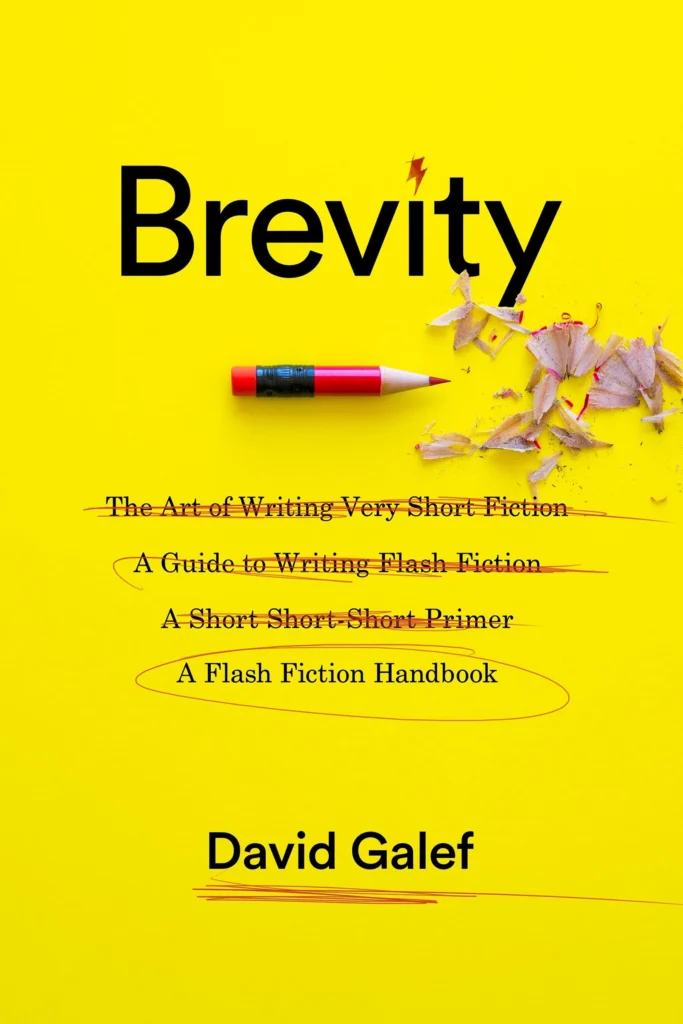
Flash fiction is generally a complete short story under 1,000 words, often much shorter, that relies on compression and implication. Its appeal to magazines and readers comes from how quickly it delivers a full narrative arc: each sentence carries weight, and the form rewards precision over length. Literary magazines have long used very short stories to vary the pace of an issue and to introduce new voices without committing many pages.
What Is Flash Fiction?
Flash fiction is a complete story defined by both length and effect. It is a complete narrative, not a scene or fragment, but the economy of language sets it apart. Commonly under 1,000 words, the form depends on what is left unsaid as much as on what is said.
A useful working definition has four parts:
- A complete narrative arc, with a turn, discovery, or change that closes the story.
- A word count usually under 1,000, though some markets allow up to 1,500.
- Compression: every sentence has to carry exposition, action, and implication at the same time.
- Implication: the story leaves space for the reader to infer what is not stated.
The word range matters because magazines use it to signal how much space they expect a submission to fill. Some journals contract the ceiling even further; others accept pieces up to 1,500 but still read the submission as flash. The label is less important than what the story does with compression: a piece can be under 300 words and still have a full arc, or stretch to 1,500 with a single tense scene. Editors tend to judge how much each sentence has to carry more than they judge the exact count.
How Micro, Flash, and Sudden Fiction Differ
Writers often ask how sudden fiction vs flash fiction compare, because the two labels overlap in anthologies and calls for submissions. The difference is practical: each form sets a different relationship between length and effect. The ranges below reflect common editorial practice rather than a single fixed standard, and each magazine states its own ceiling in its submission guidelines.
| Form | Word range | Effect sought | Editorial use |
|---|---|---|---|
| Micro fiction | Often under 300 words | A single moment, image, or turn compressed to a sharp point | Short slots in online issues and themed features |
| Flash fiction | Commonly under 1,000; some markets allow up to 1,500 | A complete narrative arc delivered through compression and implication | Flash columns, contests, and issues built around short forms |
| Sudden fiction | No rigid ceiling; a looser label | A compressed, abrupt moment that lands with a jolt | Anthologies and magazine sections that group very short stories without strict limits |
The overlap between sudden fiction and flash fiction comes from the abrupt turn both forms favor. Sudden fiction, as the looser label, often appears in anthologies that collect very short stories without a common word ceiling. Flash fiction, by contrast, usually appears in magazine columns or contests where the word limit is stated up front. Magazines that publish flash state their own ceiling, so the label matters less than reading the submission guidelines.
Why Brevity Appeals to Readers
Readers often meet flash fiction in a single scroll or on a short break. Because the story is compressed, the payoff arrives quickly: a character change, a revealed tension, or a turn at the end. That speed does not mean the form is easier; it means the writer has to make fewer words do more work.
A strong very short story gives the reader a complete narrative arc in a few minutes, which is why the form suits online reading and mobile screens. It also creates a rhythm inside a print issue, offering a pause between longer stories and essays. The appeal is the same as a well-made short film: the whole shape is visible in one sitting.
For readers who browse online, a very short story is also a low-stakes way to meet a new writer. A reader might click an unfamiliar name because the piece promises to take only a few minutes, then remember the ending longer than the time it took to read it. That dynamic helps little magazines build readership beyond the audience that already follows them in print.
Why Literary Magazines Publish Flash Fiction
Literary magazines publish flash fiction for practical reasons as well as aesthetic ones. A magazine that prints six very short stories instead of one long story can introduce six new voices in the same number of pages. Short pieces also read quickly in a slush pile: editors can assess whether the opening and turn work without reading for many minutes, though that raises the bar for compression.
The independent literary magazine ecosystem operates within a shared set of practical constraints: grants, subscriptions, host institutions, and the cost of print runs. A journal with a clear editorial vision, such as the one described in the site's editorial approach, can use very short pieces to sharpen each issue's focus and to guide readers through the masthead and what it signals about who reads a submission.
It also lowers the risk of giving many pages to an unfamiliar byline. A strong very short piece lets readers meet a new voice in less space than a traditional story, which is useful for journals that want to balance established writers with emerging ones. The format can also open and close an issue cleanly, providing a quick rhythm that frames longer work. Editors who accept simultaneous submission still benefit from a compact piece, because a flash story that fits the guidelines signals attention to the masthead and to the stated word ceiling.
What Writers Gain from Writing Very Short Stories
Writing very short stories trains compression. Because every sentence has to carry exposition, action, and implication, you learn to cut openings that explain too much and to build endings from details planted early. The form also rewards revision: a 500-word draft can be rewritten line by line more quickly than a 5,000-word story, so it becomes a useful place to practice sentence-level editing. The form also encourages writers to study endings, because a flash piece often turns on its last line or final image.
Above all, writing flash fiction teaches you to finish. The short form still demands a complete arc, but the path from first draft to final version is short enough that you can see the whole shape at once.
FAQ
What is the difference between flash fiction and short stories?
Flash fiction is a complete very short story, usually under 1,000 words; short stories typically run longer.
How many words is flash fiction?
Commonly under 1,000 words, although some markets allow up to 1,500; micro fiction often stays under 300.
Why do literary magazines like flash fiction?
It lets them publish more voices per issue, reads quickly on screens, and fits mobile-friendly layouts.
Is sudden fiction the same as flash fiction?
Sudden fiction is a looser related label for very short stories built around a compressed, abrupt moment; flash fiction usually implies a stricter word ceiling.
Sources
The editorial context draws on CLMP's reporting on independent literary magazines and presses.