
Feminist Literary Magazines Submissions: Open Calls and How to Read an Editorial Vision

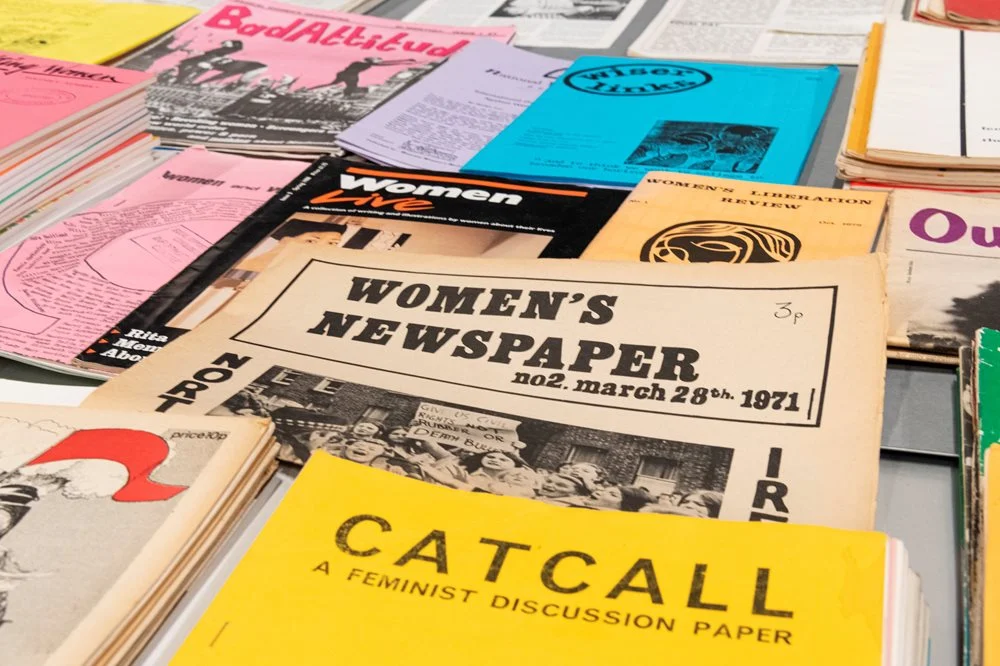
Feminist literary magazines run periodic submission windows, and many list open calls on their own websites or through Submittable. Before you pay a reading fee, read the magazine's mission, masthead, and a sample issue to confirm its editorial vision matches your work. Below, compare current open calls and the steps to submit well.
What Makes a Literary Magazine Feminist?
A literary magazine is a periodical that publishes fiction, poetry, essays, or hybrid work; a little magazine is usually a small-circulation, independent journal that runs on editorial conviction rather than market size. A feminist literary magazine makes that conviction explicit in its mission statement, the public description of whose writing it centers and why. The masthead — the list of editors, readers, and staff — then shows whether the commitment is shared across the team or confined to a line in the about page. Feminist Press open submissions describes the genres and terms it accepts, while Honey Literary's mission page explains its feminist and queer editorial approach. Those statements matter because an editorial vision is not a tagline; it controls what gets commissioned, how calls are written, and whose work appears over several issues. The slush pile — unsolicited submissions read by editors or first readers — is where an editorial vision meets the open call. A magazine's visual and editorial identity also carries that vision online; for more on that balance, see how online magazines present visual and editorial identity.
How to Find Open Calls and Read the Guidelines
Most open calls are not gathered in one place; they appear on magazine websites, on platforms such as Submittable, and in email lists. The submission tips archive at Women Who Submit returns to two steps editors emphasize: read and follow the guidelines, and read a sample of the journal. Start there.
- Check the magazine's own site first. The submissions page is the most likely place for a dated call, a year-round window, or a pause notice.
- Use a third-party directory such as this list of feminist lit mags and journals as cross-check, not as a substitute for the magazine's page.
- Read the full guidelines before formatting anything. Some magazines want standard manuscript format; others ask for anonymized files or a cover letter.
- Read one full issue, not just the table of contents. The strongest cover letters show that the writer knows what the magazine has already published.
Three things to mark in the guidelines:
- whether the reading period is year-round or a dated window;
- the reading fee amount and any free or reduced fee option;
- the simultaneous submission policy and stated response time.
The magazine's guidelines are the contract; do not rely on a directory's summary of them. For more on short prose expectations, see what flash fiction editors expect in short prose.
Feminist Literary Magazines Open for Submissions: A Snapshot
This snapshot is dated November 27, 2026, not a live feed; magazines can change deadlines and fees between updates. Each row links to the magazine's own page, where the current call is posted. The columns report only what the linked page states; where a page does not show a fixed deadline, the table says so.
| Magazine | What it seeks | Current status / deadline | Reading fee | Page |
|---|---|---|---|---|
| Feminist Press | Genres and terms listed on its open submissions page | As of November 27, 2026: as stated on linked page; no fixed deadline copied here | Stated on linked page | Feminist Press open submissions |
| Honey Literary | Feminist and queer editorial approach described on its mission page | Check the linked mission page | Stated on linked page | Honey Literary mission |
| Zoetic Press | Categories and fee listed on its submit page | As stated on linked page | Stated on linked page | Zoetic Press |
| Desire Lines | Declared focus and submission status listed on its page | As stated on linked page | Stated on linked page | Desire Lines |
| Lilith | Commissioned essays and pitch instructions listed on its page | As stated on linked page | Not stated in this snapshot | Lilith |
These five feminist lit mags represent a small cross-section, not a ranking; a magazine can change its window or fees without notice. The note at each row preserves what the page says while leaving verification to the linked source.
Submission Timing and Simultaneous Submission Etiquette
A submissions window is the period when a magazine accepts unsolicited work; outside it, the submission portal may close or the editors may read only commissioned pieces. A simultaneous submission means sending the same piece to several magazines at once. Some magazines allow it if you withdraw promptly elsewhere; others do not. Check the guidelines before you send, because the editor's time is part of what a reading fee or a no-fee call is meant to cover.
Editors usually state their simultaneous submission rule in the guidelines because it changes how quickly they need to read. If a magazine is silent, assume simultaneous submissions are not accepted until you ask. Some magazines charge a small reading fee to cover Submittable costs and part-time readers; others rely on grants or university support and do not charge. Neither model signals prestige.
Before paying a reading fee, ask three questions:
- Does the magazine's mission and issue list look like your work?
- Does it offer a free or reduced-rate option for writers who need it?
- What is the stated response time for this window?
Reading fees do not buy an acceptance; they pay for the cost of reading. For more on how small press recognition works outside big prizes, see how small press recognition works outside big prizes.
Common Mistakes When Submitting to Feminist Magazines
Five mistakes tend to repeat across submission windows, and most are easy to check before you pay or send.
- Not reading a sample issue before sending. An editor can often tell from the first page whether the writer has actually read the magazine. A sample issue is the cheapest way to learn what the magazine rewards.
- Ignoring the masthead. The masthead shows who reads submissions; if the masthead is all one demographic and the mission claims broader commitment, that gap is information. Do not submit without noticing it.
- Paying a reading fee before checking for a free or reduced option. Some magazines waive fees for writers from marginalized groups, for students, or during a set period. Check the guidelines before you pay.
- Simultaneous submission without noting it. If the guidelines allow simultaneous submission, say so in the cover letter and withdraw the piece promptly if it is accepted elsewhere. If the guidelines do not allow it, do not do it silently.
- Calling a magazine feminist without verifying its mission. A tagline is not evidence. Look at the mission statement, the masthead, and two or three recent issues before you use the word.
A quick scan of the masthead and the last issue avoids all five. For more on how magazines function in reading environments, see how magazines are read and taught in classrooms.
A Pre-Submission Checklist
Before you hit send, confirm each of these:
- The magazine's current call is open, and the deadline is not past.
- The piece fits the genres and length limits in the guidelines.
- The cover letter mentions one recent issue or author the magazine published.
- Simultaneous submission status is disclosed if required.
- You checked the masthead and mission statement.
- The file is named and formatted as the guidelines ask.
- You reviewed the piece itself for craft; see writing craft.
This checklist is the last step; if you can answer yes to each item, the submission is ready.